
"banana mocha"
600 article(s) found

What kind of environmental conditions do you need to grow coffee trees? how much is the Alishan mocha coffee?
The origin of the coffee tree is Ethiopia in Africa. In botany, coffee trees belong to the evergreen trees of the subgenus Rubiaceae, and coffee beans, commonly known as coffee beans, are the seeds of the fruit of coffee trees, just because they are shaped like beans, so they are called coffee beans. Climate is the decisive factor for coffee cultivation. Coffee trees are only suitable for growing in the tropics or subtropics, so latitude 25 is south and north.

Common coffee English name of a variety of coffee English how to say
Professional barista communication please pay attention to coffee workshop (Weixin Official Accounts cafe_style) Italian Coffee: Italian Coffee Italian Espresso Italian Foam Coffee: Cappuccino Latte Coffee: CafeLatte(Coffee Latte) American Coffee: CafeAmericano French Drip Coffee: French Coffee Ice French Drip: Ic

[unique cocoa flavor] what are the taste characteristics of mocha coffee beans? Growth and cultivation of mocha coffee beans
Professional coffee knowledge exchange more coffee bean information please follow the coffee workshop (Wechat official account cafe_style) [unique cocoa flavor] what are the taste characteristics of mocha coffee beans? How about the growth of mocha coffee beans? Yemen still uses the traditional way of growing coffee, which is not much different from the way it was used in 1600. Coffee is grown at 30007 above sea level

Introduction of major coffee producing areas in the world
Indonesia (Indonesia) well-known representative coffee: Java (Java), Sumatra Manning (Sumatra Mandheling) India (India) well-known representative coffee: monsoon Monsooned Malabar (Vietnam) Vietnam (Vietnam) well-known representative coffee: Vietnamese coffee Africa Yemen (Yemen) well-known representative coffee: Mokamatari (Mocha Mattari) Ethiopia

Coffee shop beverage production training
The summer in Chongqing makes people want to soak in the pool and eat shaved ice all the time. Eating ice is the constant theme of summer cuisine and a necessary food to fight against summer in all directions. Taste a delicate ice product after dinner, just one bite, cold to death, minutes to drive away the summer impetuosity and annoyance. Siamese love Thailand exotic passion fruit, coconut, mango, banana, Europe

Must-see Coffee terms for Coffee lovers in Chinese and English
Professional coffee knowledge exchange more coffee bean information Please follow the coffee workshop (Wechat official account cafe_style) whether baristas or coffee lovers, if you want to know more about coffee, you must get in touch with coffee knowledge. In the process, we will more or less come across English about coffee terms. The following is to share with you the Chinese-English comparison of coffee terms to help you more
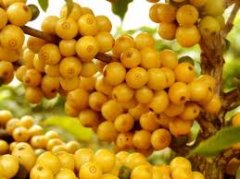
Hanas, the bean of happiness in Yemen, gives a detailed introduction.
Exchange of professional baristas Please follow the Coffee Workshop (Wechat official account cafe_style) unveil the mystery of Yemen finally chapter Yemeni Hanath bean Yemen Yemen Haraaz Hanas is a small coffee producer in the north, coffee is grown on terraces, there is no information to verify the wild varieties, what's so special about this bean? Haraaz is designed specifically for a single

Where are the major coffee producing areas around the world?
Asian Indonesia (Indonesia) well-known representative coffee: Java (Java), Sumatra Manning (Sumatra Mandheling) India (India) well-known representative coffee: monsoon Monsooned Malabar (Vietnam) Vietnam (Vietnam) well-known representative coffee: Vietnamese coffee Africa Yemen (Yemen) well-known representative coffee: Mokamatari (Mocha Mattari)

Roasting degree of Yemeni Coffee difference between shallow, medium and Deep roasting Flavor of Yemeni Mocha Coffee Raw beans
Professional coffee knowledge exchange more coffee bean information please follow the coffee workshop (Wechat official account cafe_style) Yemeni coffee ~ miracle pearl Yemen Port Of Mokha Natural PB ~ angel singing taste ~ Yemeni coffee evaluation 97 points are located at a high altitude of 2350m Al-Durrar, this thousand-year-old village monsoon season, hazy clouds bring Rain Water, let the coffee in

Coffee shop recommends Singapore themed coffee shop TOP5
A cafe without a theme is not a cafe with a real style. TOP5, a Singapore-themed cafe with the strongest arrangement among netizens, is always suitable for you! Key words of WindowsillPies Coffee Shop: the storefront of the forest department is long and narrow, and the interior decoration design is a more thorough forest style. The transparent window is the best partner for tasty spots, showing low profile everywhere.

Yemeni coffee flavor-Shanani Yemeni coffee origin introduces coffee beans suitable for hand brewing
Professional coffee knowledge exchange more coffee bean information please follow Coffee Workshop (Wechat official account cafe_style) Property Characteristics: farm characteristics Farm Farm name: Small producers small producing Group Grade Grade: naturally dried Arabica beans, no regulatory agency, no grading system Region producing area: Sanaani Shanani Country country

The main producing areas and characteristics of Coffee in the World
Coffee production zones (commonly known as coffee belts) range from 25 degrees north latitude to 30 degrees south latitude, covering many countries in Central, West Africa, the Middle East and South Asia, the Pacific, Latin America and the Caribbean. The reason why coffee cultivation is concentrated in this area is mainly due to the limitation of temperature. Because coffee trees are vulnerable to frost, neither north nor south latitude is suitable, especially in the tropics.

Main producing areas and characteristics of coffee
Coffee production zones (commonly known as coffee belts) range from 25 degrees north latitude to 30 degrees south latitude, covering many countries in Central, West Africa, the Middle East and South Asia, the Pacific, Latin America and the Caribbean. The reason why coffee cultivation is concentrated in this area is mainly due to the limitation of temperature. Because coffee trees are vulnerable to frost, neither north nor south latitude is suitable, especially in the tropics.

Main producing areas and characteristics of Fine Coffee
Coffee production zones (commonly known as coffee belts) range from 25 degrees north latitude to 30 degrees south latitude, covering many countries in Central, West Africa, the Middle East and South Asia, the Pacific, Latin America and the Caribbean. The reason why coffee cultivation is concentrated in this area is mainly due to the limitation of temperature. Because coffee trees are vulnerable to frost, neither north nor south latitude is suitable, especially in the tropics.

Bilingual American text: coffee and Life
Grandma doesn't just like coffee. To be fair, coffee is her favorite. Coffee is as important to grandma as wine is to a sommelier.

What are the characteristics of Yemeni mocha coffee beans? What's so special about the planting history and environment?
What are the characteristics of Yemeni mocha coffee beans? What's so special about the planting history and environment? Where is the flavor going? As a matter of fact, Yemen is located on the Arabian Peninsula of the Asian continent, but it is very close to Africa as long as it crosses the Red Sea and the Gulf of Aden. However, other Arab countries do not produce coffee, so the world classifies Yemen Coffee as a member of the North African coffee family.

Main producing areas and characteristics of Coffee in the World
Coffee production zones (commonly known as coffee belts) range from 25 degrees north latitude to 30 degrees south latitude, covering many countries in Central, West Africa, the Middle East and South Asia, the Pacific, Latin America and the Caribbean. The reason why coffee cultivation is concentrated in this area is mainly due to the limitation of temperature. Because coffee trees are vulnerable to frost, neither north nor south latitude is suitable, especially in the tropics.
The main producing areas and characteristics of Coffee in the World
Coffee production zones (commonly known as coffee belts) range from 25 degrees north latitude to 30 degrees south latitude, covering many countries in Central, West Africa, the Middle East and South Asia, the Pacific, Latin America and the Caribbean. The reason why coffee cultivation is concentrated in this area is mainly due to the limitation of temperature. Because coffee trees are vulnerable to frost, neither north nor south latitude is suitable, especially in the tropics.

Basic knowledge of coffee in main producing areas and characteristics of coffee
Coffee production zones (commonly known as coffee belts) range from 25 degrees north latitude to 30 degrees south latitude, covering many countries in Central, West Africa, the Middle East and South Asia, the Pacific, Latin America and the Caribbean. The reason why coffee cultivation is concentrated in this area is mainly due to the limitation of temperature. Because coffee trees are vulnerable to frost, neither north nor south latitude is suitable, especially in the tropics.

Fine Coffee the main producing areas and characteristics of coffee in the world
Coffee production zones (commonly known as coffee belts) range from 25 degrees north latitude to 30 degrees south latitude, covering many countries in Central, West Africa, the Middle East and South Asia, the Pacific, Latin America and the Caribbean. The reason why coffee cultivation is concentrated in this area is mainly due to the limitation of temperature. Because coffee trees are vulnerable to frost, neither north nor south latitude is suitable, especially in the tropics.